There’s something magical about watching a child run barefoot through wet grass or stomp joyfully into a mud puddle. For many modern families, these moments are rare. We’re often told to avoid the mess, rush indoors at the first sign of rain, and bundle kids up to keep them clean and dry. But in our family, we’ve chosen a different path.
We say yes to mud.
We say yes to rain.
We say yes to bare feet.
This isn’t just about play. It’s a conscious decision—a parenting philosophy rooted in trust, connection, and nature-based learning.
A Deeper Connection With the Earth
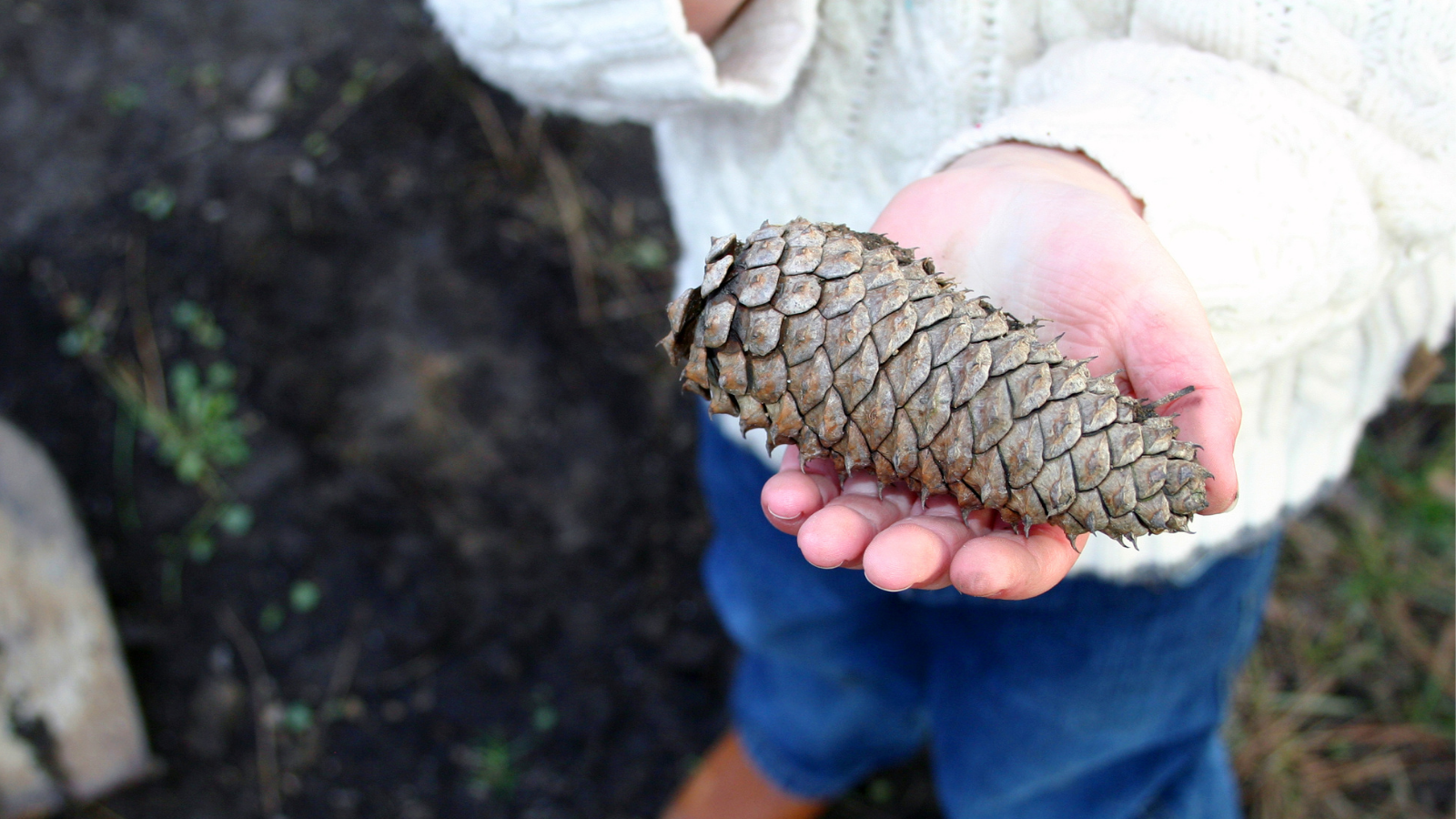
Children are born with an innate connection to the natural world. When we allow them to dig in the dirt, walk barefoot on warm stones, or let the rain touch their skin, we’re not just entertaining them—we’re helping them maintain a bond with the Earth that many adults have forgotten.
Feeling soil between their toes or the tickle of moss underfoot fosters sensory awareness and a sense of belonging to something bigger than themselves. These simple experiences build reverence for nature, not through lectures, but through real, lived moments.
Mud Is Not the Enemy
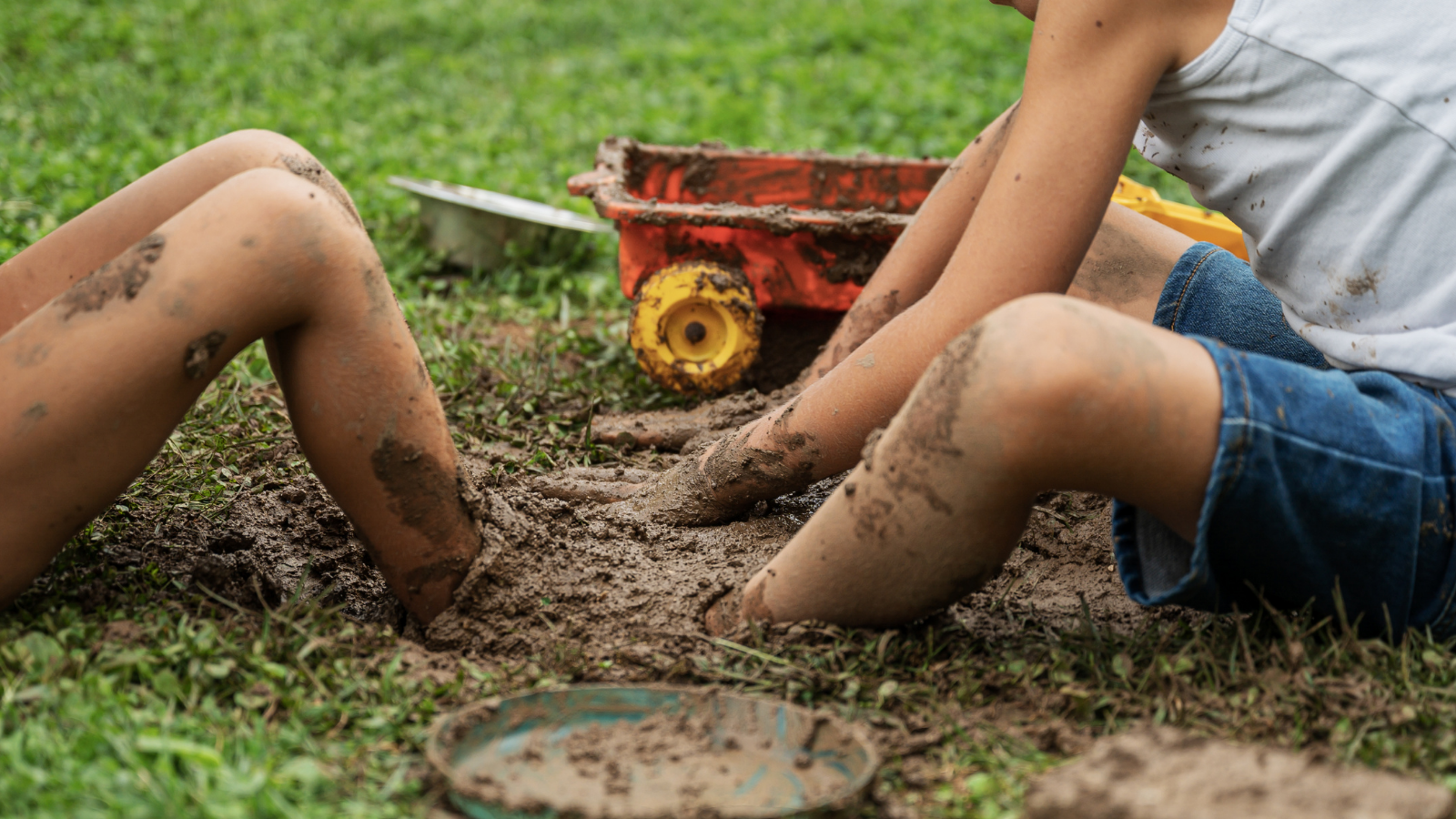
We often hear, “You’re going to get dirty!” as if it’s a warning. But getting dirty is exactly the point.
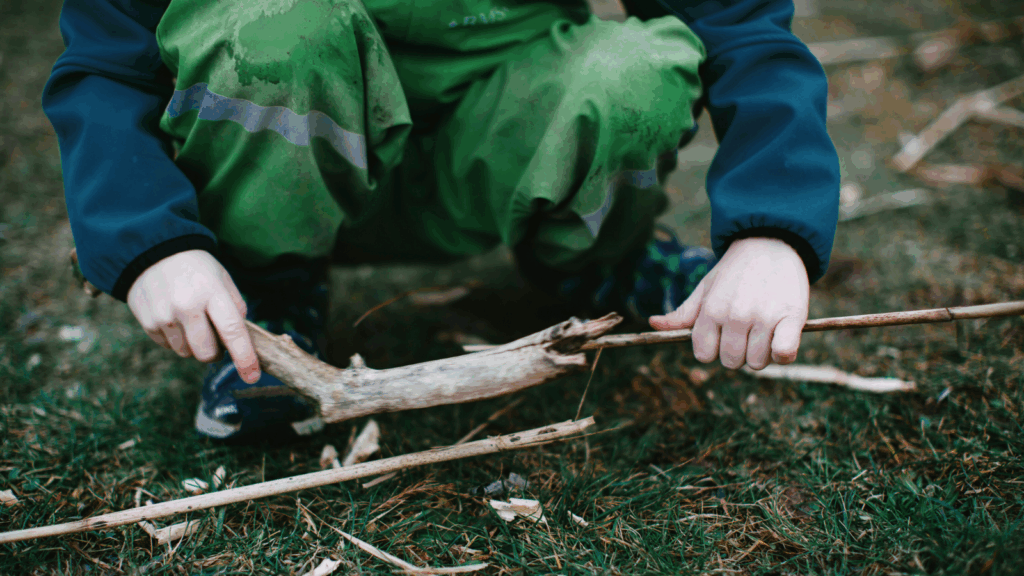
Mud offers one of the richest, most accessible sensory experiences for young children. It strengthens fine motor skills, enhances creativity, and helps regulate the nervous system. It also allows for open-ended play—there’s no right or wrong way to dig a hole, mix a mud pie, or build a stick structure.
And let’s not forget the immune-boosting benefits of playing in soil. Studies have shown that early exposure to microbes in the natural environment can actually help strengthen the immune system.
Rain Teaches Resilience
Rainy days are not canceled days. They’re an invitation.
When kids learn to enjoy being outdoors in all weather—not just when it’s sunny and 20 degrees—they build resilience. They begin to understand that discomfort is temporary, that the world is still beautiful when it’s wet, and that joy isn’t limited to ideal conditions.
A raincoat and rubber boots are helpful, but sometimes, the best thing to do is just let go and feel the rain. Splash in puddles. Get soaked. Laugh. Dry off later.
The Benefits of Bare Feet
Going barefoot is one of the simplest ways to reconnect with the Earth—literally. Grounding, or earthing, is the practice of making direct contact with natural surfaces like soil, sand, or grass. It’s been linked to reduced stress, improved sleep, and better circulation.
For children, going barefoot builds foot strength, balance, and sensory feedback. It encourages mindfulness—being aware of where they step, how the ground feels, and what changes with temperature or terrain.
Most of all, it fosters freedom. There is a certain kind of joy that only comes from running barefoot through a field. That joy is worth protecting.
Letting Go of Control (and the Wipes)
Saying yes to mud, rain, and bare feet requires letting go of some modern parenting instincts: the need for constant cleanliness, controlled environments, and neat routines. It invites us to embrace a slower, messier, more meaningful way of being with our children.
And the truth is, kids who are allowed to explore the natural world freely tend to be more grounded, confident, and creatively engaged. They don’t just play in nature—they belong to it.
How to Start Saying Yes
You don’t need acres of land or a forest school curriculum to raise a nature-connected child. You only need openness. Here are a few ways to begin:
- Keep a small bin of outdoor clothes and towels near the door for muddy days
- Designate a barefoot-safe zone in your backyard or local park
- Head outside even if it’s raining—walk slowly, breathe deeply, and let it be
- Say “yes” more often than “no” when your child wants to bring nature inside
- Focus on the memory, not the mess
Final Thoughts
Letting your child get dirty, soaked, and barefoot may feel like a small thing. But it sends a powerful message: You are free to explore. You are safe in this world. Nature is not something to fear—it’s part of you.
In a culture that often urges us to contain and sanitize childhood, choosing to say yes is an act of trust. A return to roots. A way to raise children who are wild, wise, and deeply connected to the Earth beneath their feet.
And that, we believe, is something worth celebrating.