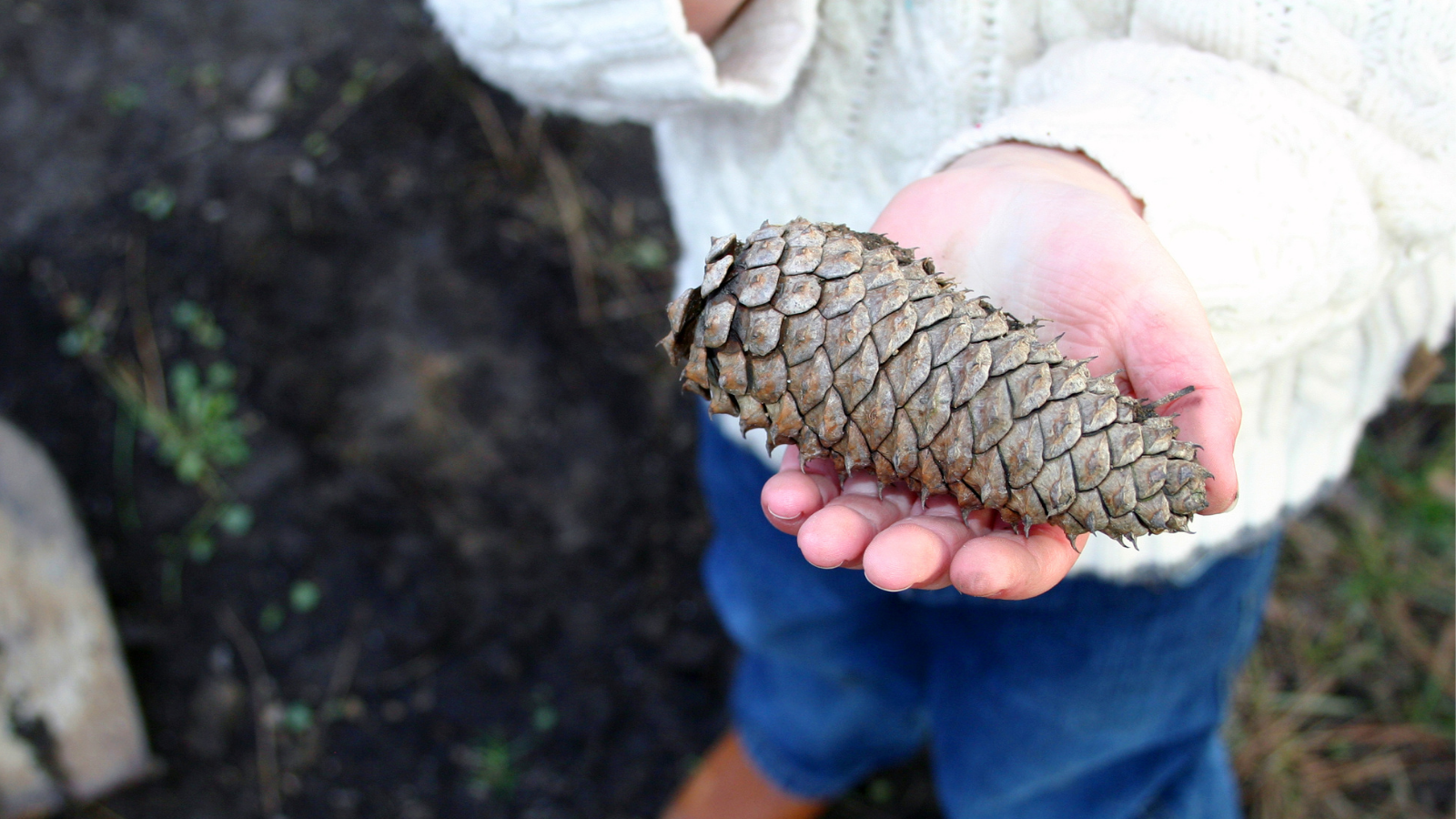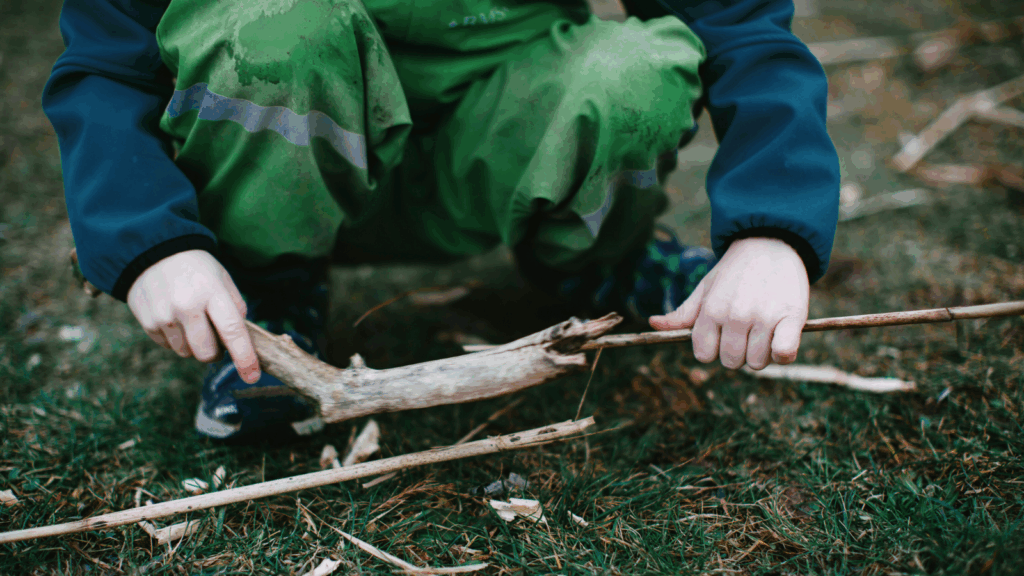
Few things capture a child’s attention quite like a simple stick. Whether it’s used as a sword, wand, fishing rod, or walking staff, sticks are endlessly fascinating to children. But this fascination isn’t just random—psychologists, educators, and even anthropologists suggest that sticks play an important role in imaginative play, learning, and development.
One reason children love sticks is that they are versatile and open-ended toys. Unlike structured toys, sticks have no set purpose. A stick can become a magic wand, a sword in a pirate adventure, or a pointer for nature exploration. According to Elinor Goldschmied, a renowned early childhood educator, open-ended play objects like sticks encourage creativity, problem-solving, and social interaction.
Sticks also help children develop gross and fine motor skills. Carrying, balancing, throwing, and dragging sticks improves coordination and strength, while using them in imaginative play can refine hand-eye coordination. This aligns with research from David Sobel, an expert in children’s outdoor education, who emphasizes that natural materials provide superior opportunities for skill development compared to many manufactured toys.
Interestingly, our fascination with sticks may be hardwired from our ancestors. Early humans, including Neanderthals and Homo sapiens, used sticks as tools for hunting, digging, and building shelters. Archaeological evidence shows that sticks were often modified or chosen for their shape and strength, demonstrating problem-solving and adaptability. In this sense, children’s playful stick use echoes the ingenuity and curiosity of our distant ancestors, connecting modern play with deep evolutionary roots.
Another reason sticks are so appealing is that they connect children to nature and exploration. By interacting with sticks, children are prompted to observe their environment—choosing sticks of the right size, noticing differences in texture, and learning how to manipulate them safely. This type of play fosters curiosity, environmental awareness, and problem-solving skills.
Finally, sticks also have a symbolic and imaginative draw. From fairy tales to folklore, sticks are often imbued with magical properties. Using a stick as a wand or staff allows children to embody characters, enact stories, and experiment with cause and effect in a safe, creative way. Researchers in developmental psychology highlight that pretend play like this supports emotional growth, social understanding, and narrative skills.
In short, children are drawn to sticks because they are versatile, promote physical and cognitive development, encourage connection to nature, and even tap into a long ancestral history of problem-solving and creativity. Next time you see your child waving a stick in the backyard, remember—it’s not just play, it’s learning, exploration, and a connection to the ingenuity of our ancestors.