The story of D.B. Cooper has fascinated generations. In 1971, he hijacked a plane, demanded a ransom, and parachuted into the night over the Pacific Northwest—never to be found. For kids, the story is less about crime and more about curiosity, problem-solving, and adventure. It sparks endless questions: How did he do it? Did he survive? What skills would he have needed to make it through the wilderness?
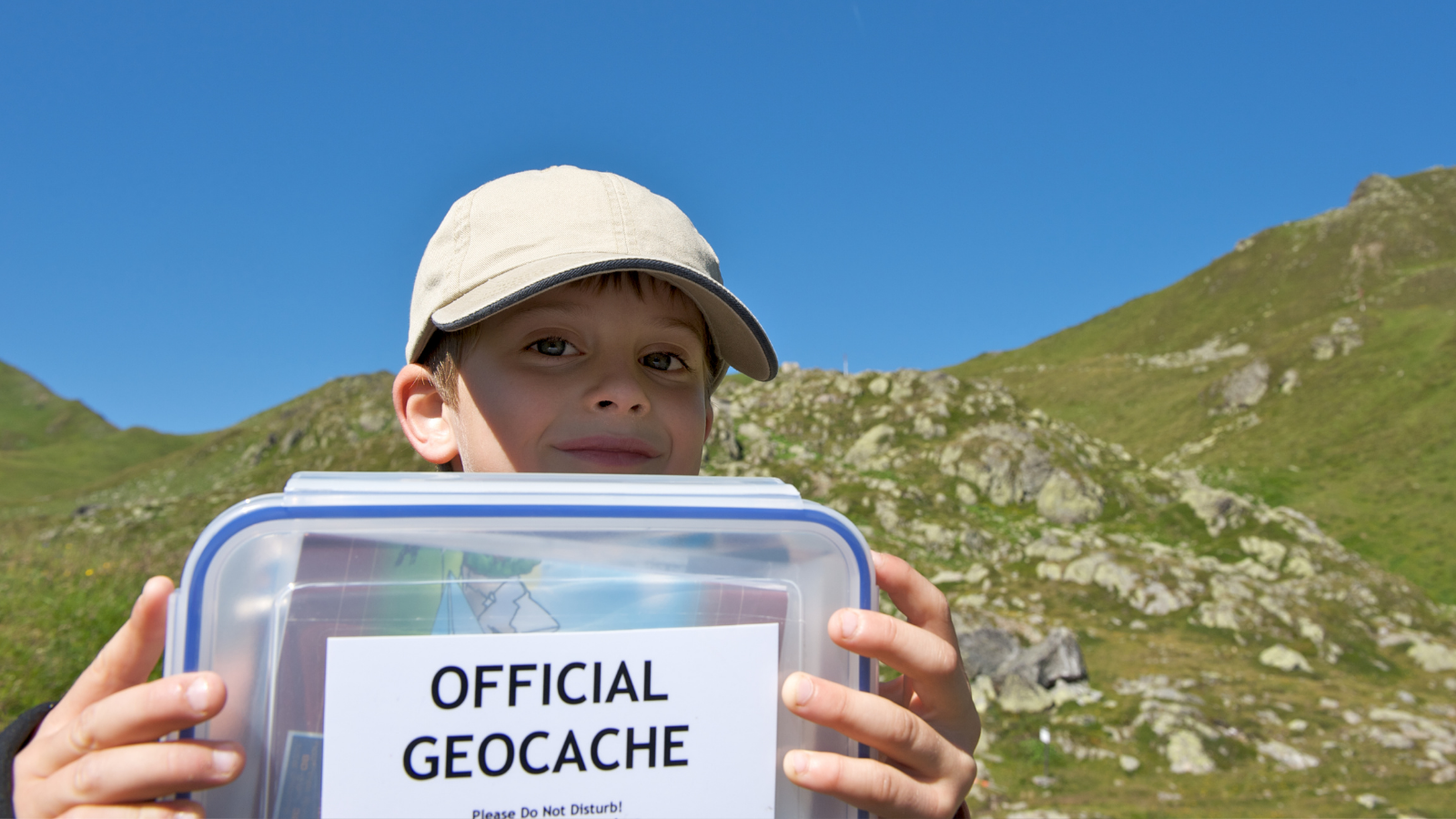
Talking through Cooper’s escape is a perfect way to introduce children to concepts like bushcraft, foraging, and survival skills. To survive after jumping into dense forests and rugged terrain, he would have needed to find food, navigate unknown landscapes, and protect himself from the elements—skills that kids can explore safely through games and outdoor activities. For example, scavenger hunts, plant identification, and simple shelter-building exercises can give children hands-on experience with the same types of thinking Cooper might have relied on.
The “how did he do it?” question also encourages critical thinking and problem-solving. Parents can guide kids to examine the logistics: the plane jump, the parachute, possible escape routes, and how someone might travel unnoticed. Children learn to break a problem into steps, consider risks, and imagine multiple solutions—all while staying in a safe, imaginative context.
Of course, we also like to have fun with the mystery—sometimes joking that our backyard neighbor might just be D.B. Cooper. It’s a playful way to get kids thinking creatively about clues, observation, and possibilities, and to connect a historical story to their own world.
Beyond imagination, the story can be a gateway to lessons in resilience and resourcefulness. Surviving in the wilderness requires noticing details, adapting to challenges, and using available resources wisely. Simple activities, like scavenging for natural treasures, learning about edible plants, or practicing map-reading and navigation, mirror the type of thinking Cooper may have needed, in a safe, educational way.
Ultimately, the D.B. Cooper story isn’t about crime—it’s about mystery, ingenuity, and survival. Framing it as a puzzle and adventure encourages children to ask questions, think critically, and explore nature creatively. With a little imagination, adults and kids alike can see the story as a fun way to practice observation, problem-solving, bushcraft skills, and an adventurous spirit.