In many homes, a spider in the corner or a beetle on the windowsill sparks instant fear or disgust. But in a nature-based home, we pause. We breathe. We notice. And then – we release.
Teaching children to treat bugs with respect may seem like a small lesson, but in truth, it lays the foundation for deep empathy, ecological awareness, and a lifelong relationship with nature. Whether you’re a homeschooling parent, a wildschooling guide, or simply someone raising mindful kids, how we respond to bugs matters.
Small Lives, Big Lessons
Bugs are often the first wild creatures children encounter up close. Ants trailing across a picnic blanket. Spiders spinning webs on windows. Pill bugs curling into tight balls under stones. These moments are more than curiosities, they’re opportunities for connection.
When we teach kids to squash, swat, or fear insects, we send a message that some lives are expendable. But when we encourage curiosity, compassion, and the simple act of catch and release, we open the door to bigger conversations about stewardship, interconnection, and gentleness.
Why Catch and Release?
1. It’s an act of respect.
Spiders, beetles, moths, and ants all play essential roles in the ecosystem. Teaching children to gently catch and relocate a spider instead of squashing it shows them that all life has value—even the lives we don’t fully understand.
2. It builds empathy.
Children who are encouraged to respect insects are more likely to extend that compassion to larger animals, to other humans, and even to themselves.
3. It encourages observation.
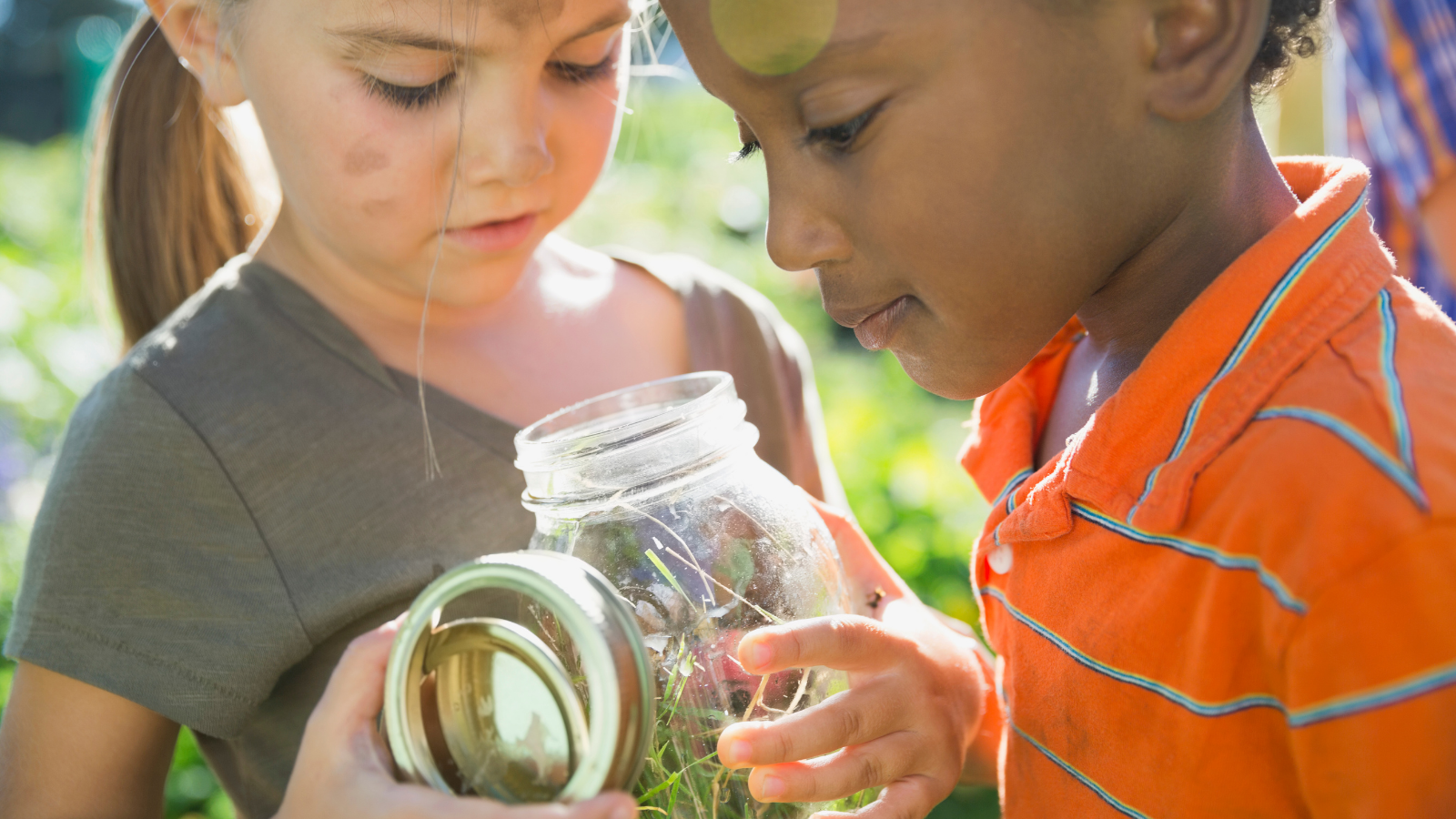
Before we release a bug, we study it. We notice its legs, its colour, its movement. This type of focused attention builds scientific thinking, patience, and a sense of wonder—all key skills in homeschool nature studies and wildschooling.
4. It reinforces responsibility.
When a child learns to move a spider outside instead of calling an adult to deal with it, they feel capable. They become caretakers of their space, not passive inhabitants.
Practical Tips for Gentle Bug Handling
- Teach children to scoop bugs gently with paper or a leaf.
- Always return bugs to safe, shaded spots outside—never into direct sun or dry driveways.
- Learn the names of local bugs together. Field guides and nature apps can help.
- Discuss the bug’s role in the ecosystem—what it eats, who eats it, and what would happen if it disappeared.
Nature-Based Parenting Means Making Space for All Creatures
In our nature-connected parenting philosophy, we don’t pick and choose which parts of the earth deserve our care. We love the bees and the wasps. The butterflies and the spiders. We say yes to mud, mushrooms, and millipedes alike. Personally, I don’t love earwigs, but I put on my brave face and say kind words to it as it’s released.
Wildschooling and homeschool nature studies aren’t just about identifying trees and learning bird calls. They’re about seeing the world as whole, alive, and worthy of reverence. Even the tiniest life—maybe especially the tiniest life—has something to teach us.
So the next time a spider shows up in your hallway, invite your child to pause. Get the bug cup. Talk softly. And then, together, walk it outside.
Because in a world that moves fast and forgets so much, this small act of kindness is a big deal.